How FOB, CIF, CPT, DAP and other Incoterms 2020 rules divide cost and risk — and what that means for perishable cargo.
Incoterms® rules, published by the International Chamber of Commerce, define who pays for what and where risk passes from seller to buyer. They do not cover payment terms or title — those belong in the contract.
For perishable produce the point where risk transfers matters: a delayed reefer or a missed connection can change the condition of fruit long before it arrives.
Sea-only rules
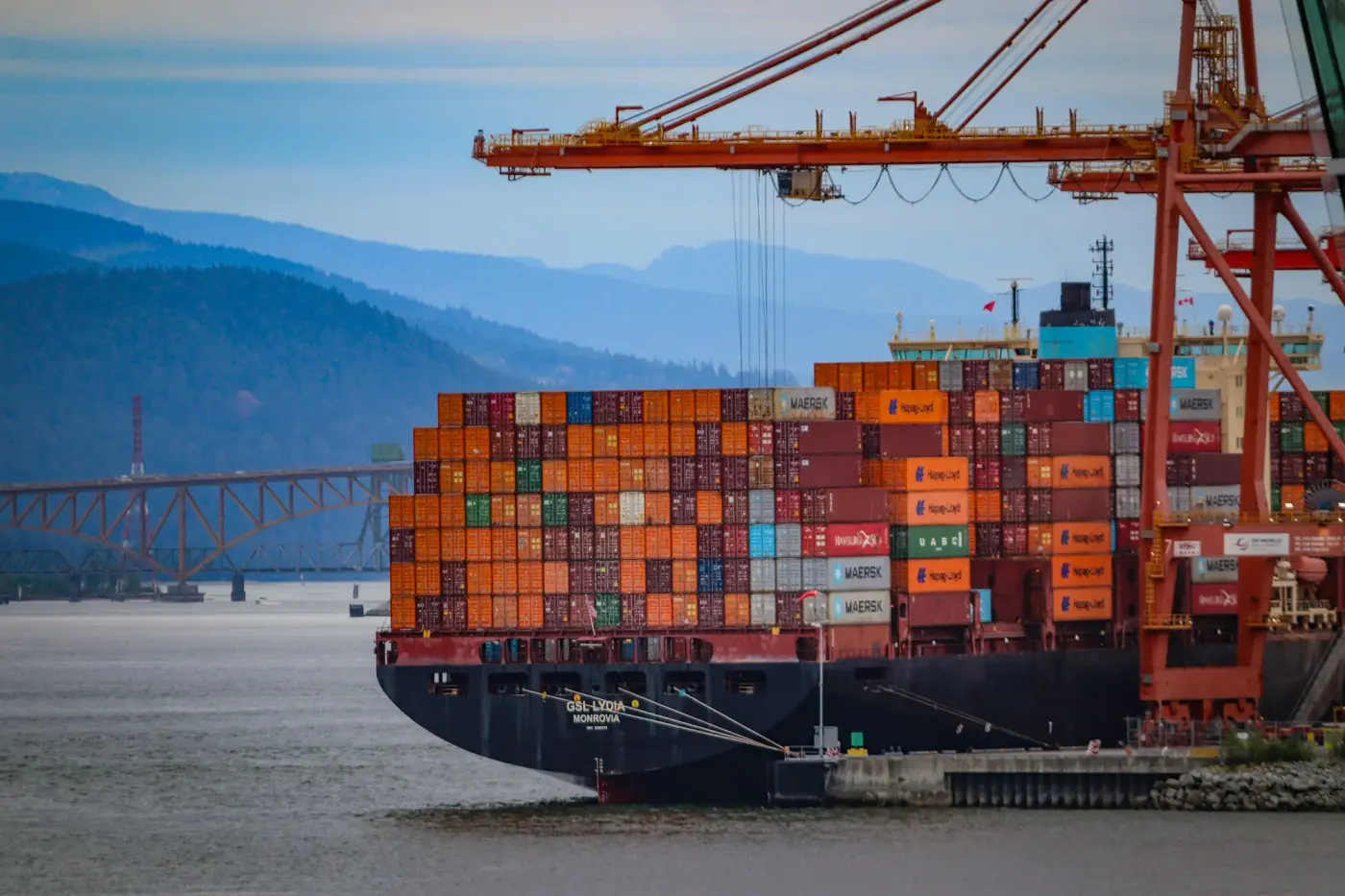
FOB, CFR and CIF apply to sea and inland waterway transport only. With CFR and CIF the seller pays freight to the destination port, but risk passes once goods are loaded on board at origin.
Any-mode rules
EXW, FCA, CPT, CIP, DAP, DPU and DDP can be used for air, road, rail or multimodal transport. For containerised and air-freighted produce, FCA, CPT and CIP are often a better fit than FOB/CFR/CIF because handover happens at a terminal rather than on board a vessel.
Practical tips
- Agree who sets and monitors reefer temperature, and who bears the risk if it deviates.
- Check that your cargo insurance matches the Incoterm — CIF and CIP set different minimum cover.
- Name the place precisely (e.g. 'FCA Entebbe International Airport') to avoid disputes.