Sea freight
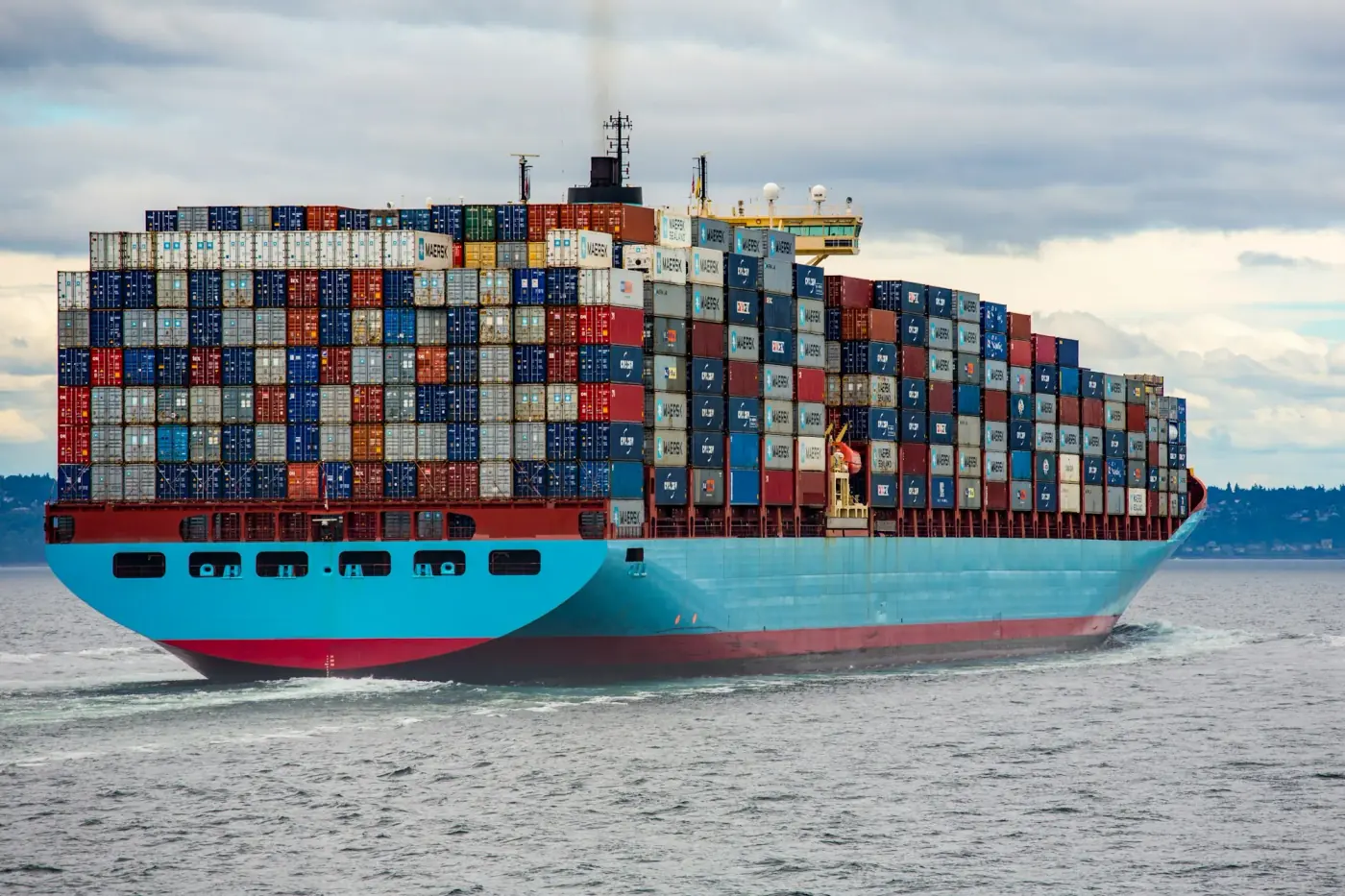
Sea freight is the most economical way to move larger volumes — standard for coffee, cocoa, oilseeds and grains, and possible for hardier fresh produce in reefers.
Ugandan cargo usually travels by road or rail along the Northern Corridor to Mombasa, then by sea via the Suez Canal or alternative routings.
Container options
- 20ft dry
- Bagged coffee, cocoa, oilseeds, grains
- 40ft dry / high-cube
- Larger volumes of lighter or bulky goods
- 20ft / 40ft reefer
- Temperature-controlled fresh produce
- LCL (shared)
- Smaller lots consolidated with other cargo
‘Lower cost per kilo for planned volumes’
Planning considerations
- Allow for inland transit to Mombasa as well as ocean transit.
- Use liners, desiccants or ventilation to manage condensation on bagged goods.
- Set and monitor reefer temperatures for fresh produce.
- Route changes (for example avoiding Suez) can lengthen transit times.
Frequently asked questions
How many bags of coffee fit in a 20ft container?
Commonly around 300–320 bags of 60kg, depending on stowage. Your forwarder confirms the exact figure.
Can I ship less than a container?
Yes — LCL consolidations are possible for dry goods, at a higher cost per unit.