Taro (Dasheen)
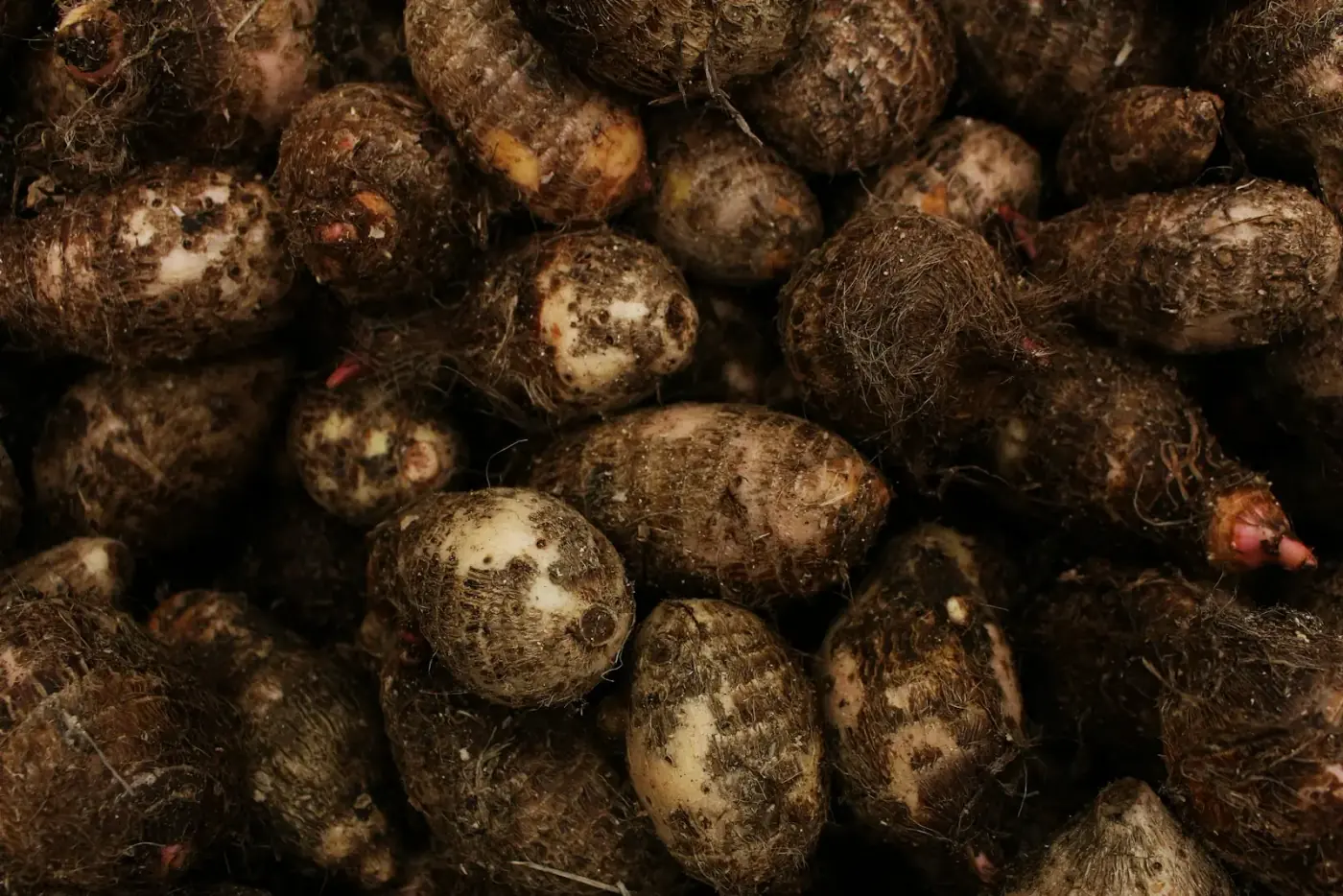
Taro corms — known in Uganda as 'amayuni'.
Taro, called amayuni in Uganda and dasheen in the Caribbean, is grown in wet, swampy areas. It is boiled, steamed or used in stews.
Request a quoteSupplied as a sourcing enquiry by air or sea depending on volume.
Botanical name: Colocasia esculenta
Sourcing enquiry: availability, volumes and specifications are assessed for each request and are not held as regular stock.
‘Uganda origin — prepared to your specification’
Specifications
- Varieties / forms
- Amayuni / dasheen
- Grades
- Size or weight band agreed · Sound, clean produce
- Origins
- Uganda
- Origin details
- Sourced through partners in Uganda; origin and producer confirmed per consignment.
- Supply status
- Sourcing enquiry — not held as regular stock
Applications
- Diaspora and specialist grocery
- Wholesale markets
- Restaurants serving African and Caribbean cuisine
- Food processors and flour millers
Quality, packaging & logistics
Quality & grading
- Sound, clean produce free from rot and pest damage
- Cured where appropriate to extend storage life
- Sorted by size or weight
- Damaged and diseased roots removed
Packaging
- Cartons
- Mesh or woven bags
- Custom packaging on request
Transport
- Air freight for perishable lines
- Ventilated or reefer containers for durable roots
- Air freight for fresh matooke and plantain
Typical buyer enquiries
- Weekly matooke for an East African grocery
- Cassava flour for a food manufacturer
- Orange-fleshed sweet potatoes for a wholesaler
Taro (Dasheen): common questions
Is taro (dasheen) available now?
Taro (Dasheen) is offered as a sourcing enquiry. We assess availability, quality and logistics with partners for each request; it is not held as regular stock.
What information should I include in a quote request?
Variety or grade, quantity and unit, packaging, destination, preferred Incoterm and shipping window, plus any documents or tests you need.
How is fresh cassava kept fresh?
Fresh cassava deteriorates within days of harvest, so it is usually waxed, air-freighted quickly, or supplied dried or as flour instead.
Do you supply matooke all year?
Matooke is grown year-round in Uganda; volumes and quality vary with season and are confirmed per enquiry.